
Why This Matters
- Number portability means a phone number can stay the same even when the network serving it changes.
- Routing information that was once accurate can become outdated when numbers move between carriers or Snapback to the original provisioning operator.
- Current carrier and routing information helps messaging providers make more accurate routing decisions, troubleshoot delivery issues, and support reliable SMS delivery.
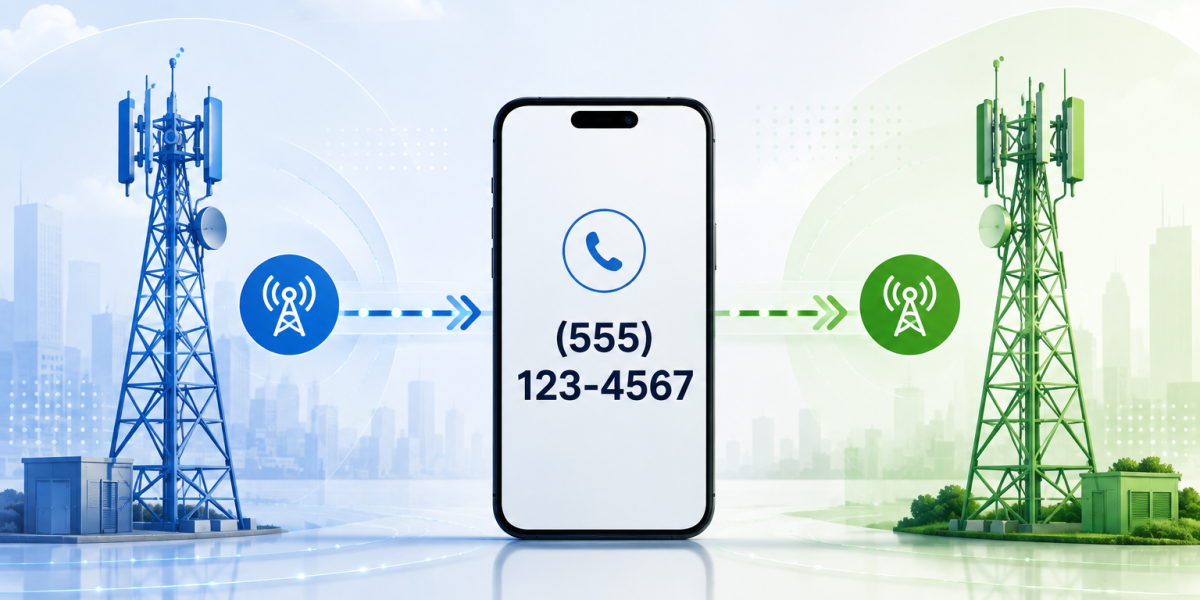
Simply defined, number portability allows customers to keep their phone number when switching mobile providers. While the phone number stays the same, the network serving that number can change. As a result, the routing information used to deliver SMS messages may also change.
It’s easy to see that messaging providers that rely on outdated routing or carrier information may face operational challenges, including less efficient routing, more time spent troubleshooting delivery issues, and reduced visibility into the current serving network.
Understanding how number portability affects SMS routing can help organizations make more informed routing decisions and improve messaging performance. Let’s dig into it.
What Is Number Portability?
Number portability allows individuals and businesses to keep their existing phone number when switching from one communications service provider to another. Instead of changing phone numbers every time they change carriers, customers can move their service while retaining the same number, making the transition far less disruptive.
For consumers, number portability eliminates the hassle of updating family, friends, banks, healthcare providers, and online accounts with a new phone number. Businesses benefit in much the same way. Keeping established customer service numbers, sales lines, and contact information helps maintain continuity, preserve brand recognition, and avoid unnecessary operational disruption.
While the phone number remains the same, the network serving that number may not. Once a number is ported, responsibility for handling calls and messages shifts to the new carrier. That means the routing information associated with the number must also be updated so communications reach the correct destination.
This distinction is important because a phone number doesn’t always identify the network currently serving it. As customers continue to change providers, messaging providers and communications platforms need current network information to make informed routing decisions. Understanding what changes during the porting process provides the foundation for understanding how number portability can affect SMS routing.
How SMS Routing Works
Every SMS message follows a routing path from the sender to the recipient. When a message is sent, the messaging provider or communications platform must determine which mobile network is currently responsible for delivering that message. Once the correct network is identified, the message is routed to the serving carrier, which then delivers it to the recipient’s device.
For that process to work efficiently, routing decisions need to be based on accurate network information. If a messaging provider is working with outdated routing or carrier data, it may not have an accurate view of which network is currently serving the phone number. This can lead to additional routing lookups, more complex troubleshooting, or less efficient message delivery.
The current serving carrier plays an important role because it is the network actively providing service for the phone number at the time the message is sent. That isn’t always the same carrier that originally issued the number. As numbers are ported between providers, the serving carrier can change while the phone number itself remains unchanged.
This is where number portability and SMS routing intersect. To make informed routing decisions, messaging providers need visibility into the current network serving the phone number rather than relying solely on historical carrier information.
What Changes After a Number Is Ported?
When a phone number is ported, the number itself doesn’t change, but the network serving that number does. The original carrier is no longer responsible for handling calls and messages, and that responsibility shifts to the new service provider.
Because of this change, the routing information associated with the phone number must also be updated. Messaging providers need to identify the current serving carrier so SMS messages can be routed appropriately. If routing decisions are based on historical carrier information instead of the network currently serving the number, the routing process may become less efficient and more difficult to troubleshoot.
As phone numbers continue to move between providers, keeping routing information current becomes increasingly important. Accurate, up-to-date network information helps messaging providers make informed routing decisions, improve operational visibility, and adapt to changes caused by number portability.
What Happens When a Number Snaps Back?
A ported number doesn’t always remain with the new carrier. In some cases, the number can Snapback, meaning it returns to the original provisioning operator.
Snapback can happen for different reasons. A recently completed port may be reversed because of an error, accidental activation, or unauthorized transfer. A number may also Snapback after a subscriber disconnects service and gives up a number that had previously been ported.
For example, if Verizon originally provisioned a number and the subscriber later ported it to T-Mobile, T-Mobile serves that number while the subscriber uses it. If the subscriber eventually disconnects the number, it may Snapback to Verizon. In the United States, the number must then remain unused for at least 45 days before it can be reassigned to a new subscriber.
For messaging providers, this means carrier information can change more than once. A number can move to another carrier and later return to its original provisioning operator. Routing data that was accurate yesterday may not accurately reflect the network associated with that number today.
Why Number Portability Can Affect SMS Routing
Routing Decisions May Need to Change
When a phone number moves to a new carrier, the routing path for SMS messages may need to change as well. Messaging providers need to determine which network is currently serving the number so messages can be directed appropriately. As more numbers are ported between carriers, routing decisions become increasingly dependent on current network information rather than historical records.
Outdated Carrier Information Can Impact Message Delivery
Carrier information that was accurate when a phone number was originally assigned may no longer reflect the network currently serving that number. Relying on outdated information can make routing less efficient and complicate message delivery. Keeping carrier and routing data current helps messaging providers make better routing decisions and adapt to changes as numbers move between networks.
Troubleshooting Becomes More Complex
When SMS delivery issues occur, one of the first questions is whether the message was routed to the correct network. If a phone number has been ported and routing information hasn’t been updated, identifying the source of the problem can take longer. Having access to current carrier information gives operations teams better visibility into the serving network, helping them diagnose and resolve routing issues more efficiently.
Routing Accuracy Becomes More Important Over Time
Number portability continues to grow in many markets, which means carrier information changes more frequently than it did in the past. As a result, maintaining accurate routing information is an ongoing operational requirement rather than a one-time task. Messaging providers that incorporate current network information into their routing decisions are better equipped to support reliable SMS delivery as networks and subscriber data continue to evolve.
Common Messaging Scenarios Affected by Number Portability
The effects of number portability extend beyond a single use case. Any organization that relies on SMS to communicate with customers can benefit from understanding how changes in carrier and routing information may affect message delivery and operations.
SMS Verification Codes
Verification codes and one-time passcodes (OTPs) are often time-sensitive. When a phone number has been ported, accurate routing information helps ensure messages are directed to the network currently serving the number, supporting timely delivery and a better user experience.
Customer Notifications
Organizations send millions of notifications each day, from shipping updates to service alerts and account notifications. Using current routing information helps messaging providers adapt as customers change carriers without changing their phone numbers.
Appointment Reminders
Healthcare providers, retailers, and service organizations rely on SMS reminders to reduce missed appointments and keep customers informed. As numbers are ported between networks, accurate routing information helps maintain reliable message delivery.
Financial Alerts
Banks, payment providers, and financial institutions use SMS for fraud alerts, transaction notifications, and account updates. Because these messages often contain time-sensitive information, understanding the network currently serving the phone number can support more effective routing decisions.
Two-Way Messaging
Many customer service conversations rely on SMS in both directions. As phone numbers move between carriers, maintaining accurate carrier and routing information helps support reliable communication throughout the conversation.
High-Volume Enterprise Messaging
Organizations that send large volumes of SMS messages must account for continuous changes in carrier and routing information. As number portability increases, keeping network data current helps improve operational efficiency, simplify troubleshooting, and support consistent messaging performance across large customer populations.
Best Practices for Messaging Providers
As number portability continues to grow, messaging providers must account for changes in the networks serving their customers. While every messaging environment is different, there are still a few best practices to help support more efficient routing and improve operational visibility.
Validate Routing Information Before Sending
Before sending an SMS message, verify that routing decisions are based on current network information rather than assumptions about where the number originated. This helps ensure messages are directed to the appropriate serving network.
Use Current Carrier Information Instead of Historical Records
The carrier that originally assigned a phone number may no longer be the one providing service. Relying on historical records alone can lead to outdated routing decisions. Current carrier information provides a more accurate view of the network serving the number at the time a message is sent.
Keep Routing Data Up to Date
Phone numbers are ported every day, making routing information dynamic rather than static. Regularly updating carrier and routing data helps messaging providers adapt to these changes and maintain accurate routing decisions over time.
Monitor Delivery Performance
Monitoring delivery performance can help identify trends that may indicate routing or carrier-related issues. Reviewing delivery metrics alongside current carrier information gives operations teams additional context when investigating messaging performance and identifying opportunities to improve routing efficiency.
Frequently Asked Questions
Does Number Portability Affect SMS Delivery?
It can. When a phone number is ported to a new carrier, the network responsible for delivering SMS messages changes. Messaging providers that use current routing and carrier information are better equipped to make informed routing decisions as those changes occur.
Why Can SMS Messages Fail After a Number Is Ported?
SMS delivery issues can occur for a variety of reasons, including routing, network, handset, or service-related factors. If routing or carrier information is outdated after a number has been ported, it can add complexity to message delivery and troubleshooting. Using current network information helps reduce that risk.
Does a Phone Number Keep the Same Carrier After Porting?
No. The phone number stays the same, but the carrier providing service changes. This is the purpose of number portability—it allows subscribers to change providers without changing their phone number.
How Can Messaging Providers Identify the Current Carrier?
Messaging providers can use carrier lookup services that identify the network currently serving a phone number. Access to current carrier information helps support routing decisions, operational visibility, and troubleshooting.
Why Is Accurate Routing Information Important?
Accurate routing information helps messaging providers send SMS messages to the network currently serving the recipient’s phone number. As numbers are ported between carriers, maintaining up-to-date routing information supports efficient message delivery, simplifies troubleshooting, and improves overall messaging operations.
Why Current Routing Information Matters
For consumers and businesses, number portability is simple: change providers while keeping the same phone number. Behind the scenes, however, that seemingly simple change affects the network responsible for delivering calls and messages. As phone numbers move between carriers, the routing information used to reach those numbers must change as well.
For messaging providers, understanding those changes is essential. Routing decisions based on current carrier and network information can help improve operational efficiency, simplify troubleshooting, and support reliable SMS delivery as numbers continue to move between providers.
Number portability isn’t just about preserving a phone number—it’s also about ensuring communications continue to reach the right destination after the network behind that number has changed.